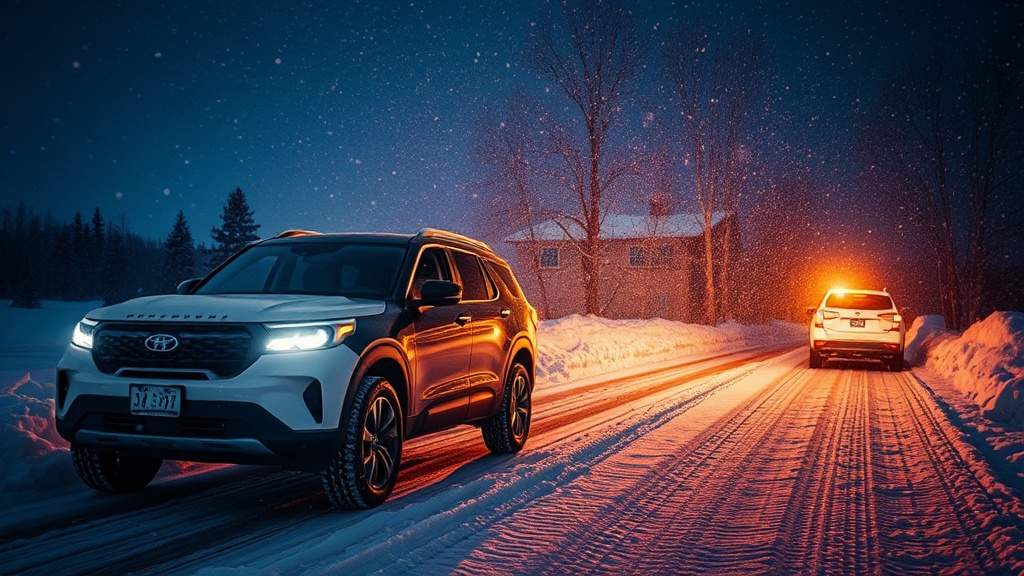
How to Winterize Your Vehicle for Yukon Cold Snap Conditions

What does winterizing your vehicle for Yukon conditions actually involve?
Winterizing your vehicle means preparing every system—from the battery and tires to the heating and fluids—to withstand temperatures that regularly drop below -30°C in Yukon communities. Without proper preparation, you're risking a dead battery on a remote stretch of the Klondike Highway, frozen fuel lines in downtown Whitehorse, or a cracked engine block that'll cost thousands to repair. This guide walks through exactly what Yukon vehicle owners need to do before the first deep freeze hits our territory.
How cold does it actually get in Yukon—and why does your vehicle care?
Temperatures in Yukon can plunge to -40°C during January and February cold snaps, with wind chills making it feel even colder. (That's the kind of cold where metal becomes brittle and batteries lose half their cranking power.) Vehicle components behave differently in these conditions—oil thickens, rubber seals contract, and antifreeze mixtures that work fine in Vancouver or Calgary simply won't cut it here.
Here's the thing: most standard "northern" winterization advice comes from southern mechanics who've never experienced a Dawson City February. The difference between -15°C and -40°C isn't just a matter of degree—it's the difference between an uncomfortable morning and a car that won't start at all. Our community has learned these lessons the hard way over generations of living with extreme cold.
The catch? Waiting until the first cold snap hits means you're already too late. When -35°C arrives and half of Whitehorse is calling for boost jumps, you'll be waiting hours for assistance. Worth noting: many local mechanics book up weeks in advance once November arrives, so scheduling your winter prep early isn't just smart—it's necessary.
What type of winter tires do Yukon drivers actually need?
Yukon drivers need dedicated winter tires—not all-seasons, not all-weathers, but full winter tires with the mountain snowflake symbol—mounted before the first snowfall, typically by mid-October. The rubber compound in winter tires stays flexible down to -40°C and below, while all-seasons turn hard as hockey pucks in our temperatures.
We've all seen that person sliding through a Main Street intersection in November, still running their summer tires because "it's not that bad yet." Don't be that person. Whitehorse bylaw actually requires winter tires on certain routes once conditions deteriorate, and enforcement has become stricter in recent years.
That said, not all winter tires perform equally in Yukon conditions. Here's how the main options stack up:
| Tire Type | Best For | Temperature Range | Price Range (per tire) |
|---|---|---|---|
| Studded Winter | Rural roads, Dawson Highway | -50°C to +7°C | $180–$280 |
| Non-Studded Winter | Whitehorse city driving | -40°C to +7°C | $140–$220 |
| All-Weather (Mountain Symbol) | Budget-conscious, mild winters | -30°C to +30°C | $120–$180 |
For most Yukon vehicle owners, studded tires offer the best insurance policy. The metal studs bite into ice in ways that rubber simply can't match—especially on the Alaska Highway when conditions turn treacherous. Many locals swear by Michelin X-Ice or Nokian Hakkapeliitta tires, both of which have proven track records in subarctic conditions.
How do you protect your battery from Yukon cold?
Install a battery blanket or block heater timer, keep terminals clean and tight, and consider upgrading to an AGM (Absorbent Glass Mat) battery if your vehicle came with a standard flooded unit. Cold weather reduces battery capacity by about 50% at -25°C—and at -40°C, a marginal battery simply won't turn your engine over.
Every morning in downtown Whitehorse during January, you'll spot the telltale scene: hoods popped, booster cables snaking between vehicles, frustrated drivers late for work. Most of these situations could've been prevented with basic battery maintenance.
Here's what works in our territory:
- Battery blankets—these electric wraps maintain battery temperature overnight. Canadian Tire in Whitehorse stocks Kat's battery blankets sized for common truck and SUV batteries.
- Block heaters—warming your engine oil makes starting easier and reduces wear. Two to three hours before departure is plenty; overnight heating wastes electricity.
- Smart chargers—NOCO Genius or Battery Tender units keep batteries topped up for vehicles that sit idle.
- Terminal protection—dielectric grease prevents corrosion that increases resistance.
The catch? Battery blankets only work if you remember to plug them in. Many Yukon homes and apartment buildings have outdoor outlets, but running extension cords across sidewalks creates trip hazards. Some newer Whitehorse developments now include dedicated parking stall outlets—worth asking about if you're house hunting.
What fluids need changing before Yukon winter arrives?
Your antifreeze concentration, engine oil viscosity, washer fluid rating, and transmission fluid all need attention before temperatures drop. Each fluid has a specific winter specification that matters more here than almost anywhere else in Canada.
Engine coolant—test your antifreeze mixture with a hydrometer (available at any Whitehorse auto parts store). You're aiming for protection down to -50°C or lower. Straight water or weak mixtures will freeze, expand, and crack your engine block. The cost of testing? Five minutes and a $10 tool. The cost of a cracked block? Several thousand dollars.
Engine oil—check your owner's manual for the cold temperature viscosity chart. Most modern vehicles specify 5W-30 for winter use, though some allow 0W-20 for extreme cold. (The "W" stands for winter—the lower the number, the better the cold flow.) Synthetic oil flows better at startup than conventional, which matters when it's -35°C and your oil has the consistency of molasses.
Washer fluid—this one catches people every year. Summer washer fluid freezes solid at 0°C. Winter fluid rated to -40°C or -49°C is non-negotiable in Yukon. Once frozen, washer fluid reservoirs crack, pumps burn out, and you're driving blind through road spray. Drain and refill completely—don't try mixing summer and winter fluids.
Here's the thing about transmission and differential fluids: they thicken in cold too. Some Yukon mechanics recommend synthetic replacements for vehicles that see extreme cold regularly. Worth noting: this isn't about performance—it's about protecting gears and bearings during those first few kilometres when fluid hasn't warmed up.
What emergency gear should stay in your Yukon vehicle all winter?
Every vehicle in Yukon territory needs a comprehensive winter emergency kit that assumes you could be stranded for hours in subzero conditions. Cell service disappears quickly outside Whitehorse, and Highway 2 toward Skagway or the Klondike Highway toward Dawson have long stretches without reliable coverage.
Our community has learned what actually matters when you're stuck:
- Blankets or sleeping bags—enough for all passengers. Hypothermia sets in fast when you're stationary.
- Candles and matches—a single candle in a metal can raises the temperature inside a stranded vehicle by several degrees.
- High-energy food—granola bars, chocolate, nuts. Something you can eat frozen if necessary.
- Flashlight with fresh batteries—winter darkness means 18+ hours of night.
- First aid kit—stocked and accessible.
- Shovel and traction aids—folding shovel, sand, or cat litter for when you're stuck in snow.
- Booster cables—heavy gauge, at least 16 feet long.
- Tow strap—rated for your vehicle's weight.
- Spare winter clothing—mitts, toque, boots. You might be dressed for the office when trouble hits.
That said, having the gear means nothing if you can't find it. Organize everything in a plastic bin that stays in your vehicle from October through April. Rotate food items before they expire. Test your flashlight monthly—cold drains batteries faster than you'd think.
When should Yukon drivers schedule their winterization?
Schedule your winterization appointment by early October, before the first significant snowfall and before local shops get overwhelmed with last-minute requests. Whitehorse shops like Klondike Auto Service and Super Saver typically book two to three weeks out once November arrives.
Here's a realistic timeline that works for our territory:
- September 15–30: Tire check and winter tire order if needed. Inspect battery age and condition.
- October 1–15: Install winter tires, test coolant concentration, change to winter-weight oil if needed.
- October 15–31: Test block heater and battery blanket, stock emergency kit, fill washer reservoir with winter fluid.
- First cold snap: Monitor battery performance, adjust tire pressure (drops 1 PSI for every 5.5°C decrease).
The reality? Many Yukon residents wait too long. Then the first -30°C morning hits, and suddenly everyone remembers their car needs attention. Don't join the scramble.
Winter vehicle preparation in Yukon isn't about pampering your car—it's about ensuring you can get to work, pick up your kids, and handle emergencies when our territory turns hostile. The investment in proper tires, a strong battery, appropriate fluids, and emergency supplies pays for itself the first time you avoid being stranded on the Alaska Highway at forty below. Our community depends on vehicles that start when we turn the key, no matter what the thermometer reads. Take care of your vehicle now, and it'll take care of you through the long Yukon winter ahead.
Steps
- 1
Install a block heater and battery blanket before temperatures drop
- 2
Switch to winter-rated tires and check tire pressure regularly
- 3
Prepare an emergency kit with warm blankets, food, and supplies