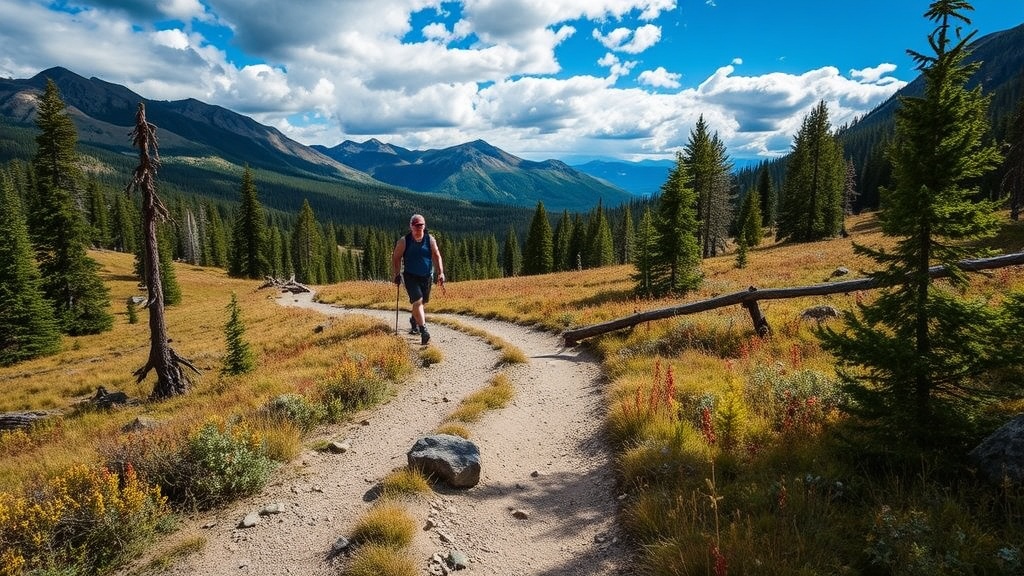
Hidden Gem Trailheads Near Whitehorse

The Secret Valley Loop
Eagle Crest Ridge Path
River Bend Woodland Trail
This guide identifies the best lesser-known trailheads located within a short drive of Whitehorse, Yukon, providing specific details on trail difficulty, terrain, and what you need to bring. You'll find information on wayfinding, seasonal accessibility, and the best times to visit these specific locations to avoid crowds and ensure safety.
Where are the best hiking trails near Whitehorse?
The best hiking trails near Whitehorse are found in the surrounding hills of the Yukon River valley and the outskirts of the city, ranging from easy riverside walks to steep, rugged climbs. While many people head straight for Miles Canyon, there are several quieter spots that offer incredible views without the heavy foot traffic.
If you want to avoid the crowds, look toward the areas surrounding Takhini or the outskirts of the Southern Lakes. These spots often remain quiet during the week. It’s a great way to experience the silence of the North without having to drive hours away from town.
The Takhini Valley Loops
Most people drive past this area without realizing there are actual paths to explore. The terrain is relatively gentle compared to the heavy climbs found in the mountains. It's perfect for a quick afternoon walk or a light stretch after a day of work. You don't need high-end gear here—just a solid pair of boots and maybe a light jacket.
The trails here are often more shaded than the open hillsides. This makes them a great choice on those surprisingly hot July afternoons. Just keep an eye on the weather; the Yukon can shift from sun to rain in minutes.
Eagle Bluff (The "Secret" Access)
Eagle Bluff is a local favorite, but most people access it via the main trails. If you look for the smaller access points near the lower valley, you'll find a much more secluded experience. The view of the Yukon River from the top is unmatched. It’s the kind of view that makes you realize why we live here.
Be careful with the footing near the edge. The rocks can be loose, especially during the spring thaw. I always recommend wearing something with good ankle support—don't try to do this in canvas sneakers. It's not worth the twisted ankle.
How much does it cost to access trails in the Yukon?
Access to most local hiking trails near Whitehorse is free, though some areas may require a Yukon Parks pass or specific permits for certain activities or large groups. For the average hiker, you won't pay a dime to step onto the dirt.
However, there are hidden costs to consider if you want to do it right. You'll want to invest in quality gear. A good pair of hiking boots and a reliable water filtration system are non-negotiable if you plan on spending more time in the bush. It's an investment in your safety and comfort.
| Trail Type | Difficulty | Typical Duration | Recommended Gear |
|---|---|---|---|
| Riverside Walks | Easy | 30–60 mins | Light sneakers, water bottle |
| Valley Ridges | Moderate | 1.5–3 hours | Hiking boots, sun protection |
| Mountain Ascents | Hard | 3+ hours | Trekking poles, layered clothing |
What should I pack for a hike in the Yukon?
You should pack layers, plenty of water, and a reliable navigation tool regardless of how short the hike seems. The weather in the Yukon is notoriously unpredictable. One moment you're sweating in a t-shirt, and the next, a cold breeze comes off the river.
I never leave the house without my compass or a downloaded offline map. GPS can be spotty in the valleys, and you don't want to be wandering around a ridge looking for a path that isn't there. Even a simple paper map is better than nothing. It's a basic rule of the bush.
- Layers: A moisture-wicking base layer and a windbreaker.
- Hydration: At least 1 liter of water per person.
- Sun Protection: High SPF sunscreen and a hat.
- Emergency: A small first aid kit and a whistle.
- Footwear: Sturdy boots with grip.
If you're planning a longer trek, you might want to grab a quick snack before you head out. I usually stop by one of the local bakeries to pick up some fuel. After a long day of walking, you'll likely want to check out the best coffee spots in Whitehorse to warm up and refuel.
The Importance of Leave No Trace
The Yukon ecosystem is fragile. We are lucky to have these spaces, but they are easily damaged. Please pack out everything you pack in. This includes organic waste like apple cores or orange peels. It might seem small, but it makes a difference to the local wildlife.
Stay on the marked paths whenever possible. When we wander off-trail, we crush the delicate vegetation that takes years to grow in our short summers. It's a simple way to ensure these "hidden gems" stay gems for the next person.
Seasonal Considerations
The "best" time to hike depends entirely on the season. In the summer, the trails are lush and green, but the bugs can be brutal. If you're heading out in July, don't forget the bug spray or a head net. The mosquitoes here are no joke—they are relentless.
In the shoulder seasons, watch for mud. The trails become incredibly slick during the spring melt. If you're looking for something more cozy during the colder months, you might prefer exploring cozy winter retreats rather than battling a muddy mountain. The terrain changes so much that a summer trail can be a completely different beast in October.
If you're hiking in the late fall, the light changes quickly. The sun sets early, and the shadows in the valleys can be deep. Always carry a headlamp, even if you think you'll be back by 4:00 PM. You'd be surprised how fast the light disappears in the North.
Quick Reference: Trailhead Locations
- Takhini Area: Best for families and casual walkers.
- Eagle Bluff: Best for views and photography enthusiasts.
- Southern Lakes Outskirts: Best for those seeking total solitude.
- River Valley Paths: Best for low-impact exercise.
Always check the local weather reports before you head out. The Yukon doesn't forgive mistakes easily. If the wind is picking up or the clouds look heavy, stay home. There will always be another day to explore.