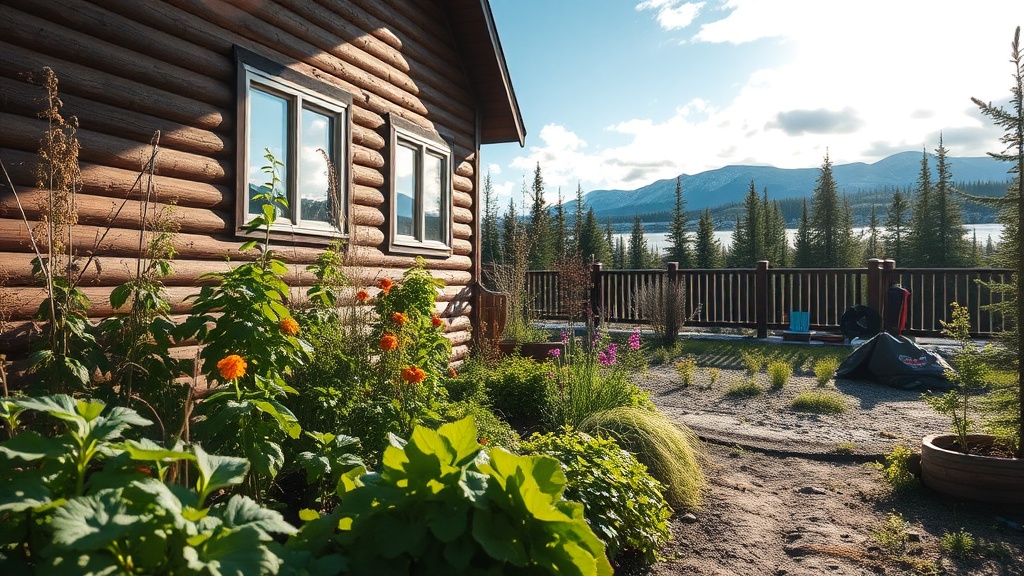
Building a Sustainable Home Garden in the Yukon Climate

Many folks believe that growing food in the Yukon is a lost cause once the frost hits in August. They think the short growing season makes it impossible to have a productive garden without a greenhouse. While the frost comes early here in the North, you don't need a massive setup to get some wins. This guide covers how to manage soil health, selecting the right varieties, and protecting your plants from the erratic Yukon weather patterns we see every summer.
Living in Whitehorse or the smaller communities around the Yukon means we deal with a very specific set of challenges. Our soil is often heavy, and our sunlight is intense but fleeting. If you want to grow more than just a single pot of herbs on your porch, you need to understand the local rhythm. We aren't just fighting the cold; we're fighting the wind and the unpredictable temperature swings that happen even in July.
Where can I find good garden supplies in the Yukon?
You won't find a massive big-box garden center on every corner here, so knowing where to look is your first step. For high-quality seeds and local advice, I always suggest checking in with local nurseries or even the community garden groups. In Whitehorse, places like Whitehorse Community Garden often have the best insights into what actually survives a Yukon summer. You also want to look for organic amendments that won't leach too much salt into our sensitive northern soils.
When you're shopping for tools, don't overspend on fancy gadgets. You need sturdy, high-quality basics that can handle the grit of our local terrain. Most of what you need can be found at local hardware stores right here in town. Just remember, if you buy seeds, look for the ones that specify a short maturity period. If a plant takes 90 days to reach harvest, it's probably not going to make it before the first frost hits the Yukon Yukon valley.
How do I prepare my soil for the short Yukon season?
Soil preparation in the Yukon is different than in southern Canada. Our ground stays cold for a long time, even as the air warms up. To get a head start, many of us use raised beds. Raised beds allow the soil to warm up much faster in the spring. If you're planting directly into the ground near the Yukon riverbed or in residential yards, you'll likely encounter heavy clay or rocky soil. Adding compost is a non-negotiable step here.
I recommend getting your compost from a reliable local source. Adding organic matter helps with drainage and provides the nutrients your plants need to grow rapidly during those long, sunny days. Here is a quick breakdown of the steps we suggest for a successful start:
- Step 1: Clear the area of any leftover debris from the winter.
- Step 2: Add a thick layer of compost to improve soil structure.
- Step 3: Use black mulch or landscape fabric to trap heat in the soil.
- Step 4: Start your seeds indoors early to maximize the Yukon growing window.
If you're worried about the frost, you can even look into the Arctic gardening techniques often discussed in northern circles. It's all about heat retention and maximizing every bit of UV we get.
Which vegetables actually grow well in the Yukon?
Not everything will thrive here. If you try to grow heat-loving crops like peppers or certain types of tomatoes without a greenhouse, you'll likely be disappointed. However, certain crops are remarkably hardy. Root vegetables like carrots and radishes do exceptionally well in our soil. Leafy greens like kale and spinach can often handle the cooler temperatures of the Yukon late summer and even early autumn.
| Crop Type | Success Rate in Yukon | Best Growing Method |
|---|---|---|
| Leafy Greens | High | Direct sow in spring |
| Root Veggies | High | Raised beds for warmth |
| Bush Beans | Medium | Start indoors/Greenhouse |
| Tomatoes | Low/Medium | Greenhouse or intensive care |
The key is to focus on crops that can handle the temperature dips. Even in the middle of July, a cold snap can happen in the Yukon. Having a plan for quick-growing varieties means you aren't constantly racing against the calendar. We've seen people successfully grow even larger crops by using heavy-duty row covers to protect them from the wind and overnight chills.
Protecting your garden from the wind
Wind is a huge factor in our local climate. Even a light breeze can strip moisture from your plants and lower the temperature around them. Using windbreaks—like a sturdy fence or even a row of hardy shrubs—can make a massive difference in your garden's success. We often see gardens in the Yukon suffer because they were too exposed to the prevailing winds. If your yard is open, consider a small temporary structure or even a burlap screen to keep the air still around your more delicate crops.
For more information on northern environmental standards, the Government of Yukon website has excellent resources on land management and local environmental care. Understanding the local ecosystem is the best way to ensure your garden contributes to our community rather than just struggling against it.
Don't be discouraged if your first attempt is a bit of a struggle. Most of us in the Yukon have had a few failed crops before we figured out the rhythm of the seasons. The more you observe your specific patch of land, the better you'll get at predicting what will work. Whether you're in a backyard in Porter Creek or a small plot in Dawson, the goal is the same: working with the Yukon environment, not against it.